

Driving in Iceland with Confidence: Enterprise Iceland’s Fleet, Safety, and Support
Iceland’s roads can change. A smooth stretch can turn into gravel without warning. Wind can shove a car on plains. Rain or fog can roll in quickly. Enterprise Iceland supports drivers with smart vehicle options and practical help.
This guide explains what matters for visitors renting in Iceland: fleet fit, safety habits, and support that protects the trip.
Choose A Vehicle That Matches The Roads
The best rental is the one that suits the day’s roads, not the biggest option on the list.
City Driving And Short Tours
For Reykjavík, airport runs, and nearby paved routes, smaller cars usually work well. They are easier to park and simple to handle in town traffic.
Ring Road Comfort
Route 1 is mostly paved, but it is still a long drive with exposed sections. Many visitors prefer a mid-size car or SUV for steadier handling in wind, and more space for bags and layers. Winter tires and studs add grip.
Gravel Detours And Rougher Tracks
Many viewpoints sit off the main paved roads. Gravel can mean loose stones, dust, and bumpy surfaces. A higher-clearance SUV can feel calmer, especially when pulling over on soft shoulders. Enterprise offers standard SUV 4x4 options, such as a Toyota RAV4 or similar.
F-Roads Need Real Planning
Highland “F” roads can include sharp rocks, steep sections, and river crossings. Access can change by season and weather. If F-roads are part of the plan, a proper 4x4 is essential, and daily road status checks should be routine.
Driving Rules That Reduce Stress
Iceland’s rules are simple. Following them also keeps the trip smooth.
Keep Headlights On
Headlights must be on at all times, day and night. This helps in fog, rain, and low light.
Slow Down On Gravel
Typical speed limits are 50 km/h in towns, 80 km/h on gravel, and 90 km/h on paved rural roads like Route 1. On gravel, safe drivers often go slower, because grip drops and braking takes longer.
One-Lane Bridges And Blind Hills
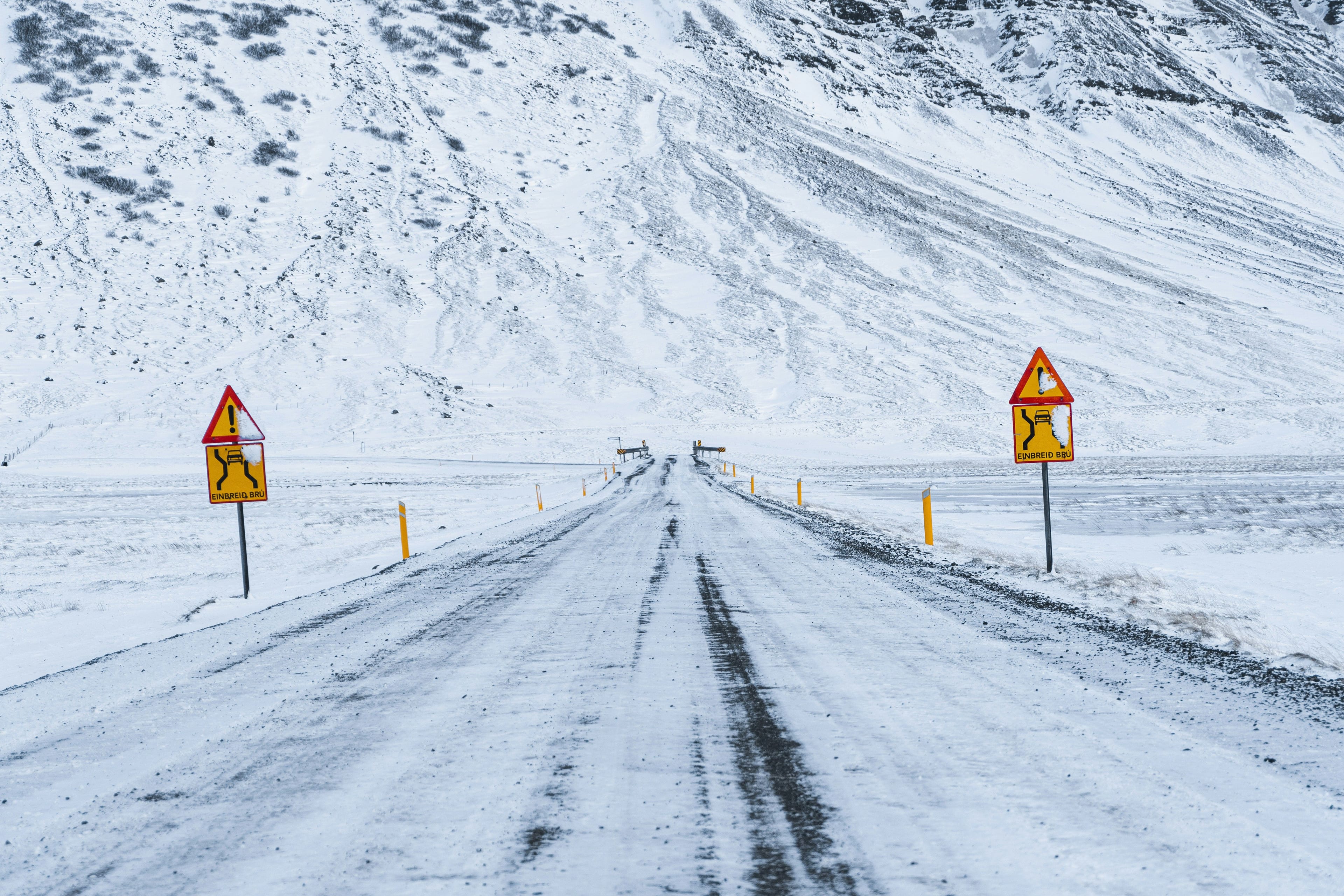
Many rural bridges are one lane. Slow down early and scan ahead. Do not rush the entry. On blind hills, stay right and avoid risky overtakes.
Treat Wind Like A Hazard
Wind can affect steering and it can slam doors open. Park into the wind when possible. Hold the door with both hands. Let passengers exit one at a time.
Watch For Animals
Sheep and birds can appear near the road, especially in warmer months. Slow down early and stay predictable. Sudden swerves cause more trouble than calm braking.
Protections That Fit Iceland’s Common Problems
In Iceland, small nature-related damage can be more common than people expect. Stone chips, dust, and rough shoulders can turn into costly repairs. Knowing what protections mean before pickup helps avoid surprises.
Damage Waiver And Liability Basics
Enterprise states that Collision Damage Waiver reduces the renter’s liability for damage to bodywork, and without it the renter can have liability up to the full market value of the vehicle. Enterprise also notes that third-party liability is mandatory and included with rental rates.
Personal Accident Cover
Enterprise notes that Personal Accident Insurance is mandatory in Iceland and included in the rate.
Roadside Assistance Options
Punctures, flat batteries, and lockouts can happen. Enterprise describes an optional Roadside Assistance Protection that can waive responsibility for certain call-out and recovery fees, such as tire punctures or lockouts.
Support That Matters When Time Is Tight
Support is not a nice extra. It can save a whole day of the trip.
Airport Access With Long Hours
Enterprise lists a Keflavík International Airport location with opening hours shown as 06:00 to 23:45 daily, plus after-hours returns. That flexibility helps after delays and late arrivals.
Clear Fuel Choices
Enterprise outlines fuel return options, including returning full to avoid extra charges, paying for fuel used but not replaced, or prepaying a full tank and returning empty.
Help For Mechanical Failure
If a mechanical failure happens through no fault of the renter, Enterprise states that roadside assistance is provided at no cost, including a tow and a replacement vehicle.
A Practical Routine Before Each Drive
A confident day starts with a quick check. Review the forecast, with special focus on wind. Confirm road conditions for the route, since closures can happen. Make sure fuel is not low before leaving towns.
Set directions before moving, then keep the phone away while driving. Pack water, a snack, and a warm layer, because stops can be far apart. Leave extra time for photo stops and slower gravel stretches, so there is no pressure to rush. Good planning saves real time.
Make The Booking Choice That Removes Stress
Driving in Iceland feels easier when the vehicle fits the route and support is clear. Enterprise Iceland offers classes that suit city use, longer touring, and mixed road surfaces, including SUV 4x4 options. Add sensible protections and reliable help, and the road becomes part of the holiday, not the hard part.
When travel dates are set, reserve the car early and pick the class that fits the plan. That simple step keeps choices open and makes the whole trip calmer.
Frequently Asked Questions
Do Headlights Really Need To Stay On In Daylight?
Yes. Headlights must be on at all times in Iceland, even in daylight. It is a safety rule, not a tip.
Is A 4x4 Required For The Ring Road?
Not always. Route 1 is mostly paved. A 4x4 can still feel steadier in wind, winter weather, or gravel detours. Choose it if the plan includes gravel.
What Catches Most Visitors Off Guard?
Wind and gravel. Wind affects steering and doors. Gravel increases stopping distance and stone chip risk. Open the door slowly every time.
What Happens If The Car Has A Mechanical Failure?
Enterprise states that mechanical failure through no fault of the renter includes towing and a replacement vehicle at no cost. Report the issue right away.