From City Streets to the Ring Road: Choosing the Right Rental Car with Enterprise Iceland
Iceland rewards good planning and punishes lazy choices. Reykjavík driving feels easy until parking gets tight and streets turn one-way. The Ring Road feels simple until wind, rain, and long gaps between towns show up. The right rental car keeps the trip safe, comfortable, and cheaper in the long run, without any drama.
Choose The Car Around The Road Type
Start with one honest question. Where will the wheels actually go? Most visitors fall into three paths.
First is city time plus paved day trips like the Golden Circle. Second is a full or partial Ring Road loop with side roads. Third is the Highlands, where roads marked with an “F” begin. Iceland only allows 4x4 vehicles on F-roads, and many of them include unbridged river crossings. Rental coverage often excludes water damage, so a risky crossing can end a trip fast.
City And Short Day Trips
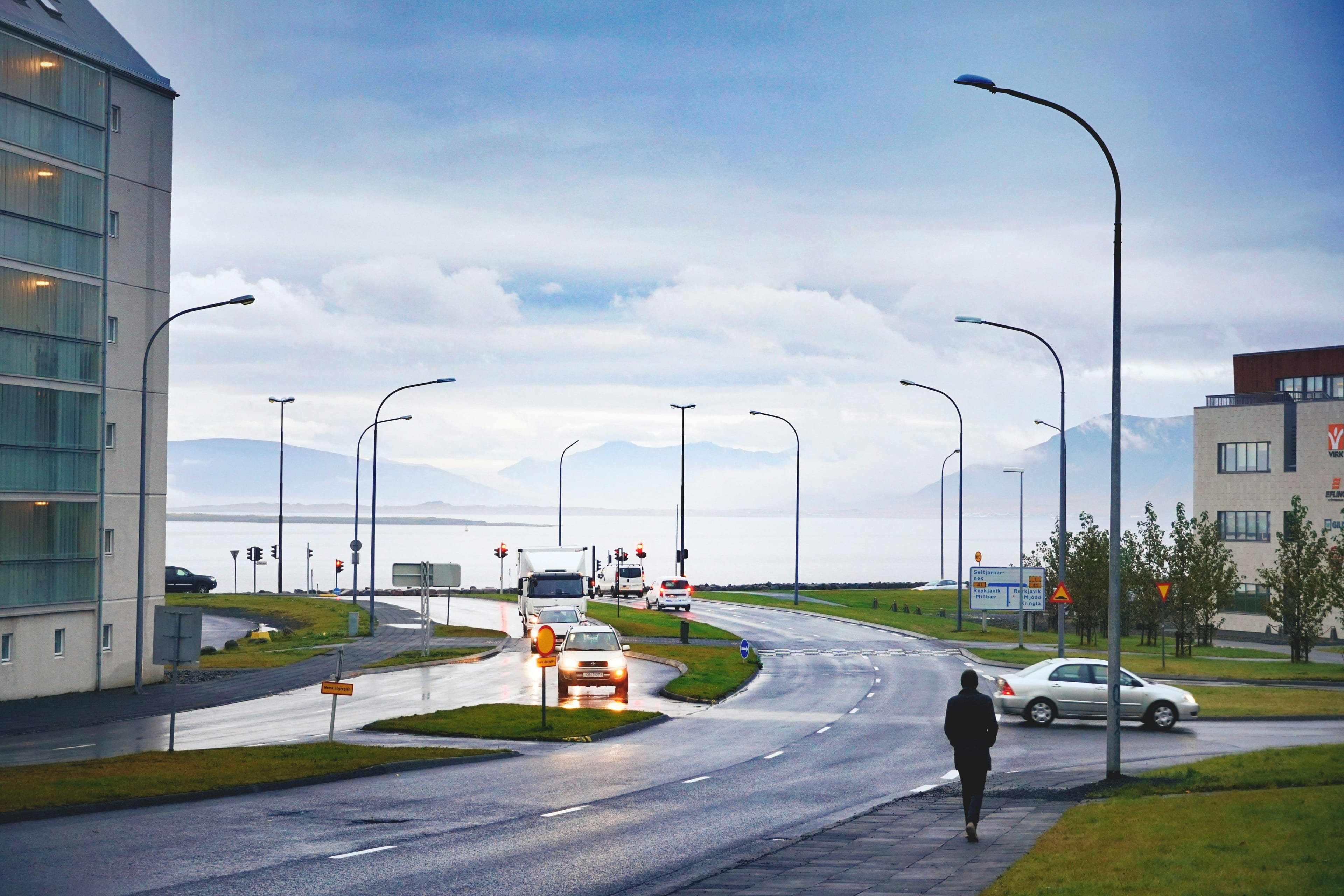
A small or compact car fits Reykjavík well. It parks easier and usually uses less fuel. It also feels less stressful in traffic around the capital and Keflavík. On rural paved roads, the common maximum speed limit is 90 km/h, while towns are commonly 50 km/h.
This class works best with light packing. If the group has big hard-shell bags, stepping up one size can save daily hassle.
Ring Road With Mixed Stops
Route 1 is mostly paved, but many popular detours are gravel. That is where a mid-size car, wagon, or compact SUV becomes the sweet spot. It gives more luggage room and better stability in gusts. Gravel roads often show an 80 km/h limit, but loose stones and washboard surfaces call for slower driving.
A higher ride height helps on rough pull-offs and uneven parking areas. It does not mean driving off-road. Off-road driving is illegal in Iceland, even if the ground looks firm and empty. Stay on numbered roads and marked tracks only.
Winter Ring Road And Remote Regions
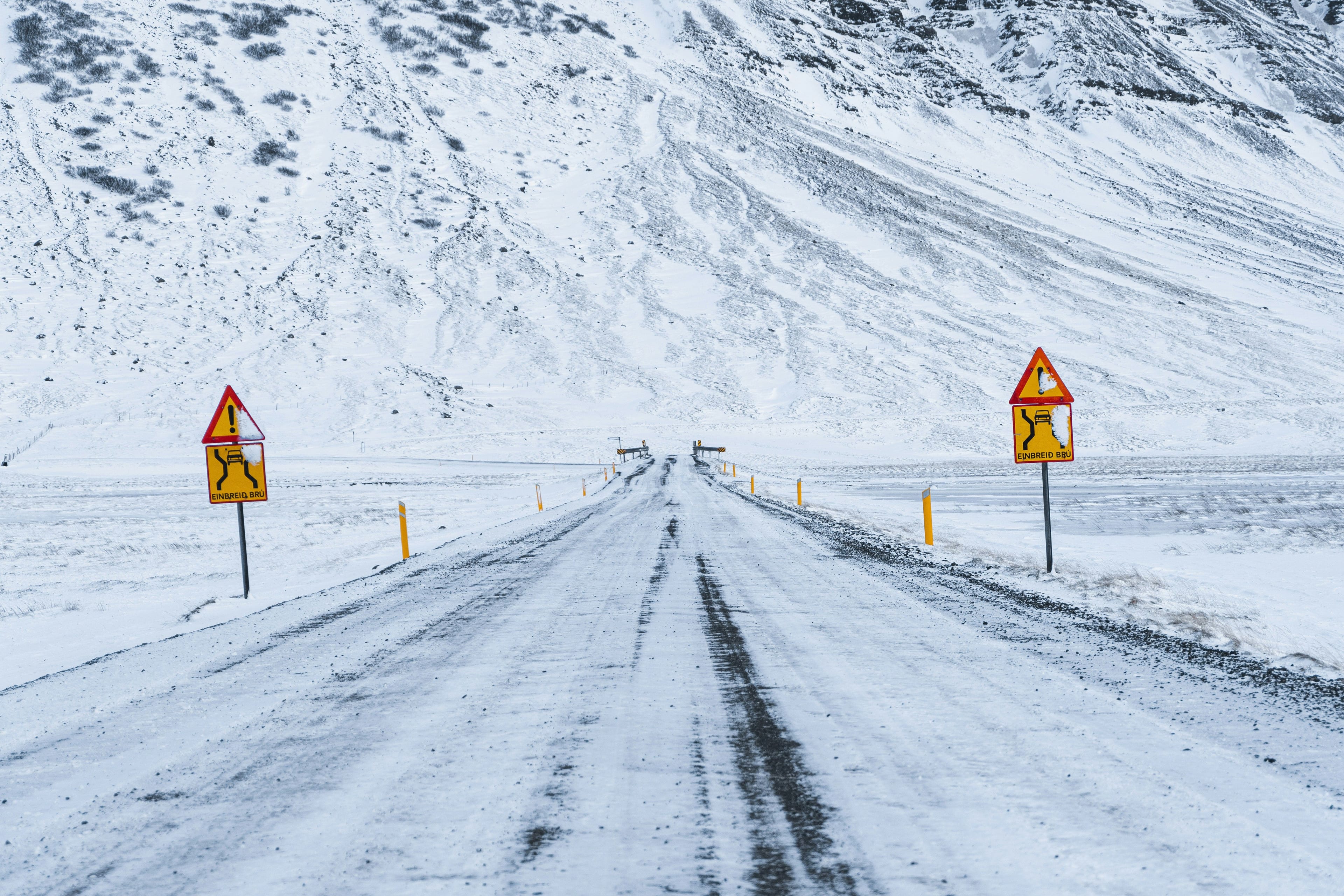
Winter is not the time to “make do.” Ice, snow, and low light reduce reaction time. Storms can close routes quickly. SafeTravel is an official source run by Icelandic Search and Rescue, and checking conditions daily should be part of the plan.
A SUV often feels more planted in crosswinds and slush than a small hatchback. Tires still matter most, and safe driving still depends on speed and judgment.
Highlands And F-Road Plans
If the plan includes any F-road, choose a proper 4x4. That is a legal requirement, not a preference. The Highlands are seasonal, and openings depend on conditions. River levels can change during the day, especially in glacial areas.
A small crossover can be the wrong tool here. If a crossing looks fast, deep, or unclear, turning back is the smart call.
The Four Mistakes That Break Trips
Many problems in Iceland are predictable. They come from the same few mistakes.
Underestimating Wind
Wind can yank a car door wide in a second and bend it. Park facing into the wind when possible. Hold the door with both hands and let passengers exit one at a time.
Driving Gravel Like Pavement
Gravel throws stones. Stones crack glass and chip paint. Keep a big gap behind other cars and slow down before blind crests.
Forgetting Sand And Ash Exposure
Some coastal stretches can turn gritty in wind. Fine particles can act like sandpaper on paint and headlights. Many travelers consider extra protection options for this reason.
Picking A Car That Cannot Fit The Gear
A car can seat four adults and still fail if the luggage does not fit. Count bags first, then add bulky items like strollers and winter boots. Choose a class that leaves space to spare.
Small Extras That Save The Day
Long drives feel easier with the right add-ons. A phone mount helps keep eyes on the road, not in a lap. An extra driver helps when daylight is short or plans change. In rural areas, fuel stops are not constant, so topping up before long stretches is smart. If the route goes remote, SafeTravel also supports travel plans, which can help in an emergency.
A Clear Match Guide For Enterprise Iceland
Use this quick guide while booking with Enterprise Iceland. It keeps the choice practical.
For Reykjavík, Keflavík, And Paved Loops
Pick a small or compact car. It stays efficient and easy to park. Upgrade one class if there are large suitcases or four adults.
For Ring Road Comfort And Gravel Detours
Pick a mid-size car, wagon, or compact SUV. Focus on luggage room and stability.
For Winter Routes And Shoulder Seasons
Pick a SUV and keep the itinerary flexible. Drive for the conditions, not the schedule.
For Any Highlands F-Road Day
Pick a true 4x4 and avoid crossings that feel doubtful. Respect closures and turnarounds.
A Natural Next Step
A well-matched car keeps Iceland trips moving. It prevents avoidable damage and reduces fatigue. Enterprise Iceland makes it easier to choose a category that fits the route, the season, and the luggage. Book early, and choose the vehicle that matches the roads you plan to drive.
FAQs
Is A 4x4 Required For The Ring Road?
No. Route 1 is mostly paved, and many travelers complete it in a standard car in summer.
Can A Two-Wheel-Drive Car Drive On F-Roads?
No. F-roads require 4x4 by law, and driving a 2WD there can void coverage.
What Speed Limits Should Drivers Expect?
Common limits are 90 km/h on rural paved roads, 80 km/h on gravel roads, and 50 km/h in towns. Always follow the posted signs.
What Is The Best Way To Prevent Wind Door Damage?
Park into the wind when possible. Keep a firm grip on the door, and never let it swing free.