

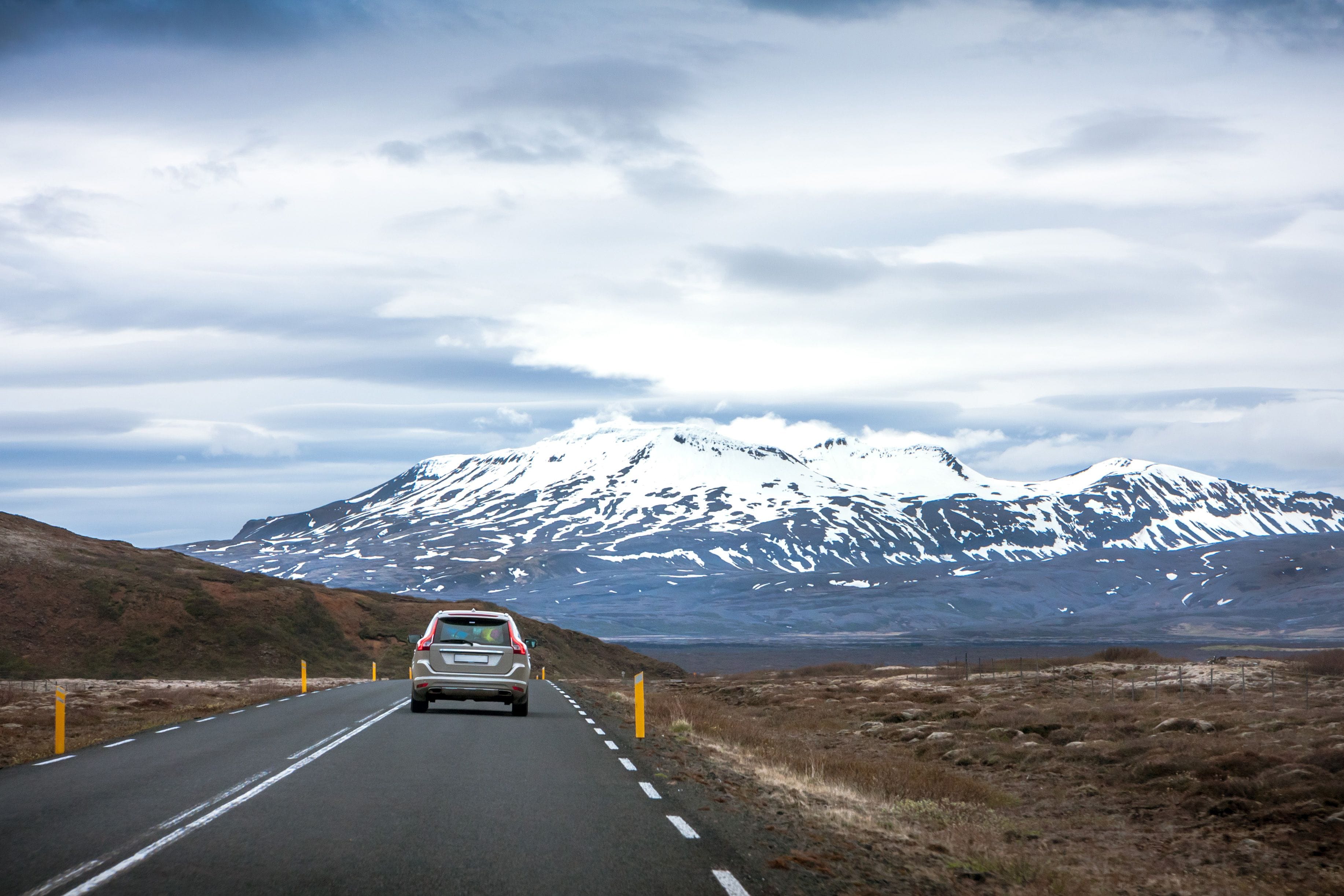
What to Check Before You Drive Off in Your Rental Car in Iceland
Iceland’s roads can surprise people. Wind can yank a door. Gravel can chip glass. A calm sky can change in minutes. So the smartest part of the trip happens before the first turn.
A quick check in the pickup lot can save money, time, and stress. This guide shows exactly what to check, so the drive starts right.
For an easier handover, Enterprise Iceland can walk through these key checks and help match the car to the route.
Start With The Paperwork, Not The Keys
The contract decides what is covered and what is on you. Read it like it is a bill you might have to pay.
Confirm The Driver Details
Match the driver name to the licence and the booking. Add every driver who may drive, even for a short leg.
Make Insurance Clear In Easy Words
Most rentals include a collision damage waiver, but an excess still applies. Ask for the exact excess amount and when it gets charged.
Gravel damage to glass and lights is one of the most common claims on Iceland’s roads. Confirm if gravel cover is included or optional, and what parts it protects.
Also ask what is not covered. Water damage from river crossings is often excluded. Treat rivers as a no-go unless the contract clearly says otherwise.
Know The Rules That Can Void Coverage
Off-road driving is illegal in Iceland and can bring heavy fines. It can also leave you paying for all damage.
F-roads are mountain roads marked with an “F”. Many rental terms restrict F-roads to approved 4x4 vehicles only. Breaking that rule can void coverage fast.
Walk-Around Check: Catch Damage Now, Not Later
Do this outside before moving the car. Record video and take photos.
Record Every Panel And The Roof
Film the car from all sides. Then shoot the bumper corners, wheel arches, and the lower sides where rocks hit. If the car is tall, try to get the roof too.
Check Glass, Lights, And Plates
Look for tiny chips in the windscreen. A small chip can spread after one cold night. Check headlights and fog lights for cracks and clouding. Test the washer spray once. If it is weak, ask for refill. Dirty roads and salt spray can blind the glass fast.
Check Tires, Spare, And Tools
Scan the tires for cuts on the sidewall and low tread. Confirm the spare tire or repair kit is there, plus the jack and wheel tool.
Respect The Wind Before You Open A Door
Wind in Iceland can slam a door open in one hit. Check the door edges and hinges for marks. Hold the door with two hands and open it in small steps. Wind damage is a common rental dispute, and it may not be treated like a crash.
Quick Cabin Check Before Moving
Now check what keeps you safe and legal on the road. Make sure nothing blocks the pedals or your view.
Confirm Fuel Type And Return Rule
Read the fuel type on the cap and the contract. Petrol and diesel pumps sit close together, so the wrong choice can ruin the engine. Note the fuel level and the return rule, like full-to-full.
Test The Controls You Will Use Today
Turn on lights and confirm front and rear lights work. Iceland requires driving lights to be on whenever the car is used on public roads.
Test wipers and washer spray. Try the heater, fan, and window defrost. If the car has 4x4, ask the staff to show how to switch it on and off, and when not to use it.
Save Emergency Info Before Trouble Starts
Store the rental help number in the phone. Also store Iceland’s emergency number: 112. It reaches police, ambulance, fire, and rescue services.
Do A Two-Minute Plan For Today’s Drive
Iceland does not reward guesswork. Weather and road surfaces change fast, even on the same day.
Check Road And Weather Warnings
Check the forecast for wind and any alerts. Strong gusts can make a car drift on open stretches and bridges. If a road is shown as closed, do not test it.
Drive For Iceland’s Limits, Not Your Habit
Speed signs are in km/h. General limits are 50 in towns, 80 on rural gravel roads, and 90 on rural paved roads unless signs say otherwise.
On gravel, keep longer gaps and brake early. Avoid sudden steering. Slow down before blind hills and one-lane bridges.
Decide Early If Highlands Fit The Day
If the route includes any “F” road, confirm the car is approved for it and the road is open. If rivers are involved, be extra strict, since water damage is often excluded. A safer route can still deliver big views with less risk.
Last Steps Before Leaving The Lot
Set the seat, mirrors, and headrest. Pair the phone safely or set the route while parked. Start the engine and look for warning lights on the dash. Drive the first kilometer slowly and listen for odd sounds.
For an easier start, Enterprise Iceland staff can walk through these checks at pickup and match the car to the route. That short handover helps avoid surprise costs and keeps the schedule on track.
Frequently Asked Questions
Do The Headlights Need To Stay On In Daylight?
Yes. Iceland requires driving lights to be on whenever the car is in use on public roads. Keep them on in sun, rain, and fog so others see you early.
Is Gravel Cover Worth Paying For?
Gravel roads are common, and stone chips can happen even at low speed. Gravel cover often targets glass and light damage, which can cost a lot to fix.
Can A Small 2WD Car Go On An F-Road If The Weather Looks Fine?
No. F-roads are rough, and conditions can change fast. Rental terms often restrict them to approved 4x4 vehicles, and breaking that rule can void coverage.
What Should Be Done In An Emergency Or Serious Crash?
Call 112 for urgent help. It is the single emergency number in Iceland. If it is not urgent but the car cannot move, follow the rental steps for roadside help.
Related articles
How to Avoid Common Car Rental Mistakes in Iceland
A car unlocks Iceland fast. It also exposes every weak plan. Gravel can chip paint in minutes. Wind can rip a door from a loose grip. A missed rule can turn into a fine or a fee. The fix is simple. Choose the right car, know the rules, and drive with care. Simple habits save money, time, and nerves on every drive.
From City Streets to the Ring Road: Choosing the Right Rental Car with Enterprise Iceland
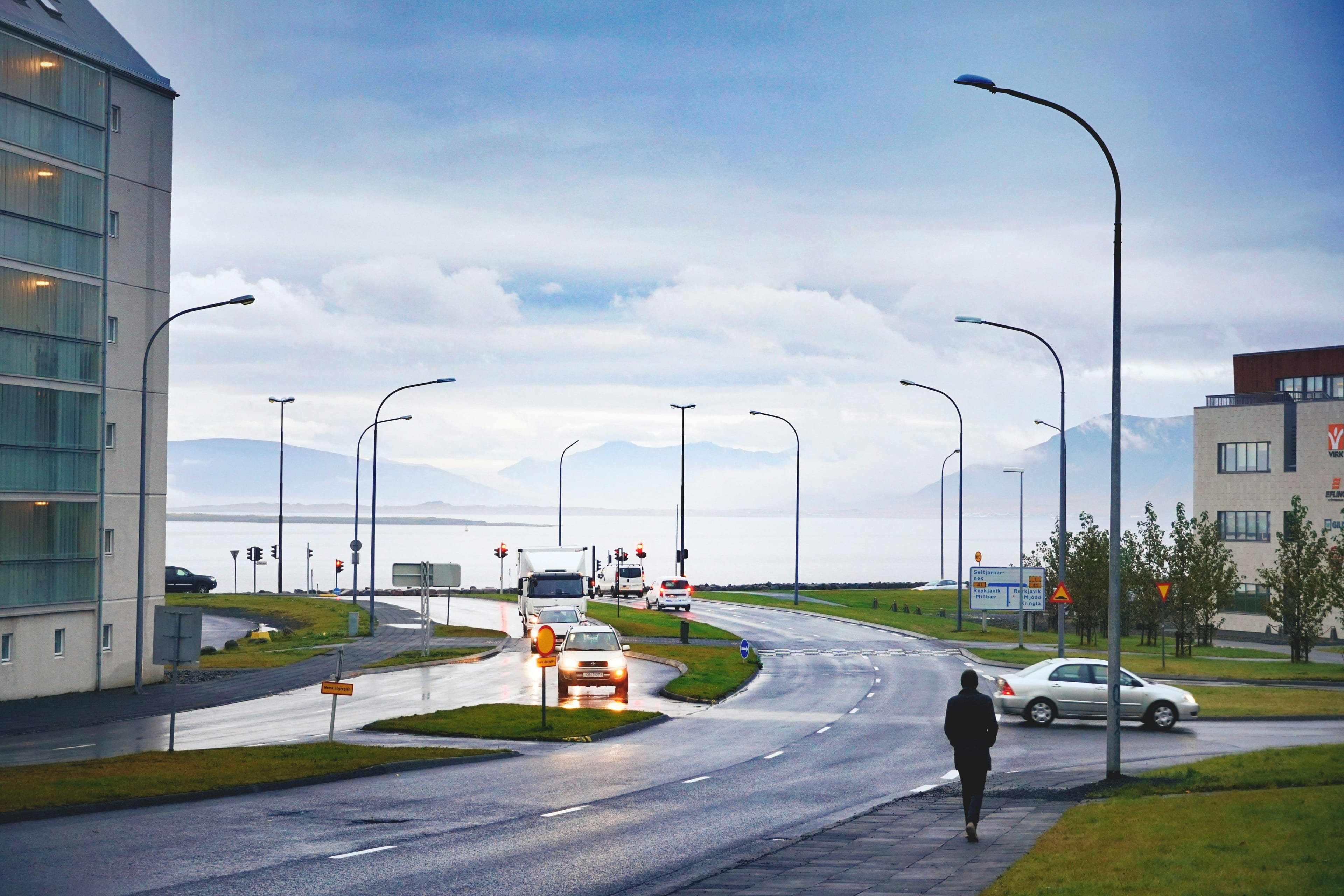
Iceland rewards good planning and punishes lazy choices. Reykjavík driving feels easy until parking gets tight and streets turn one-way. The Ring Road feels simple until wind, rain, and long gaps between towns show up. The right rental car keeps the trip safe, comfortable, and cheaper in the long run, without any drama.